
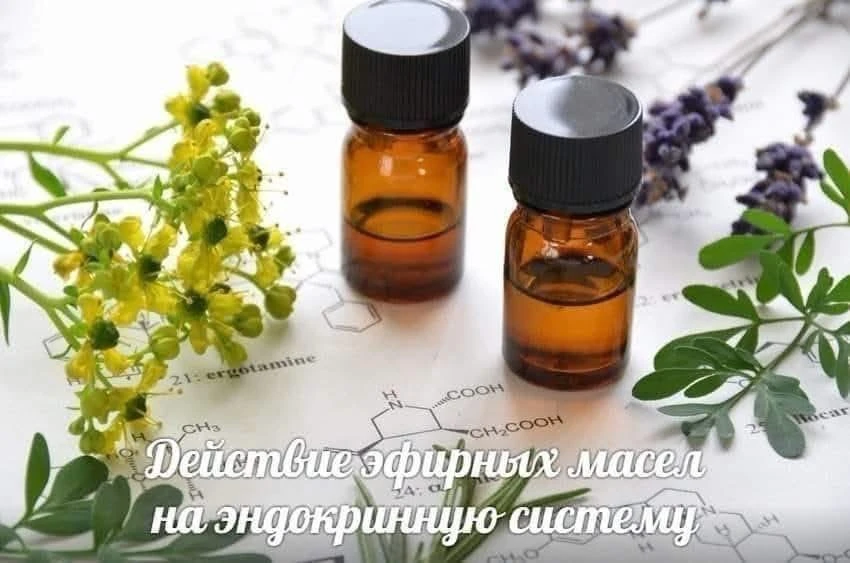
The supplied text is attributed to Patricia Davis. The following is an editorial version with medical clarifications, not a verbatim quotation.
How hormones work
Hormones are signalling substances produced by endocrine glands and other cells. Through the bloodstream, they send signals to organs and tissues, helping regulate metabolism, growth, stress responses and reproductive processes.
Where aromatherapy fits
Aromatherapy uses plant essential oils as a complementary practice, most often by inhalation or applying diluted products to the skin. It can be part of the atmosphere of a session and a subjective sense of relaxation.
The supplied text discusses proposed hormone-like properties of some oil constituents. Such proposals cannot automatically become treatment recommendations: an experimental effect does not establish an essential oil’s clinical efficacy or safety.
Claims that need qualification
Claims about replacing hormone medicines with oils, or reliably normalising thyroid, adrenal or blood-sugar function, should not be used as treatment guidance. A clinician should assess and treat endocrine conditions.
The phrase “no side effects” is incorrect: essential oils can cause irritation, allergic reactions and other adverse effects. NCCIH notes possible skin allergies from lavender and serious toxicity from swallowing tea tree oil.
Before your session
Tell me about your preferences, allergies and fragrance sensitivities — we will agree on aromas in advance.
Discuss aromatherapy ↗OILS AVAILABLE
Choosing aromas
Ask directly about the range, availability and prices of oils on WhatsApp.
Ask about the range ↗